Jellyfish vs. LinearB
9 out of 10 engineering teams choose Jellyfish over LinearB after a direct evaluation. The reason? Jellyfish doesn’t just surface metrics. It tells you what to do with them. From AI impact measurement and delivery forecasting to developer experience insights, Jellyfish gives engineering leaders the clarity to act, not just the data to observe.





















See how we compare
See how we compare


Engineering Management
DORA & productivity metrics

Team goals, Slack & Email alerts
Custom analysis and APIs
AI-powered chat assistant

Industry benchmarking
Team-level comparison
Resource and investment allocation
R&D capacity planning
Delivery forecasting & scenario planning
Deliverables status tracking and reporting
Board-ready executive dashboards
AI Impact
Adoption insights based on system data
Connects AI usage to resource allocation
Integrations with major tools (Cursor, Copilot, etc.)
Multi-tool comparison
Usage data linked to delivery metrics
AI Impact Surveys with AI NPS
AI-generated Exec Reports with ROI metrics
Code review agent insights
Developer Experience
Qualitative developer experience surveys
DevEx metrics
Financial Reporting
Cost capitalization reporting
SOC‑1 Type II financial compliance
100% audit pass rate
Administration & Security
SOC-2 Type II compliance
No source code access required
Fully self‑service configuration
Role Based Access Controls
Group Based Access Controls
SSO
Automated data model (no manual repo config)
Embedded services
Low cost of maintenance
SCIM
“DX and LinearB don’t treat team-based metrics or person-based metrics as first-class citizens like Jellyfish does.”

Jane Hatfield
Director of Engineering at Jane.app
“LinearB didn’t provide the breadth of metrics from board level down to IC that Jellyfish does.”

Adam Llewlyn
Program Delivery Lead at Cyara
“We were looking for the ability to see metrics for engineering leaders and at the VP/Product level. LinearB’s UI was very clunky.”

Xaviar Steavenson
VP of engineering at WebPros
Where LinearB falls short, Jellyfish goes deeper
Better Visibility into AI Transformation
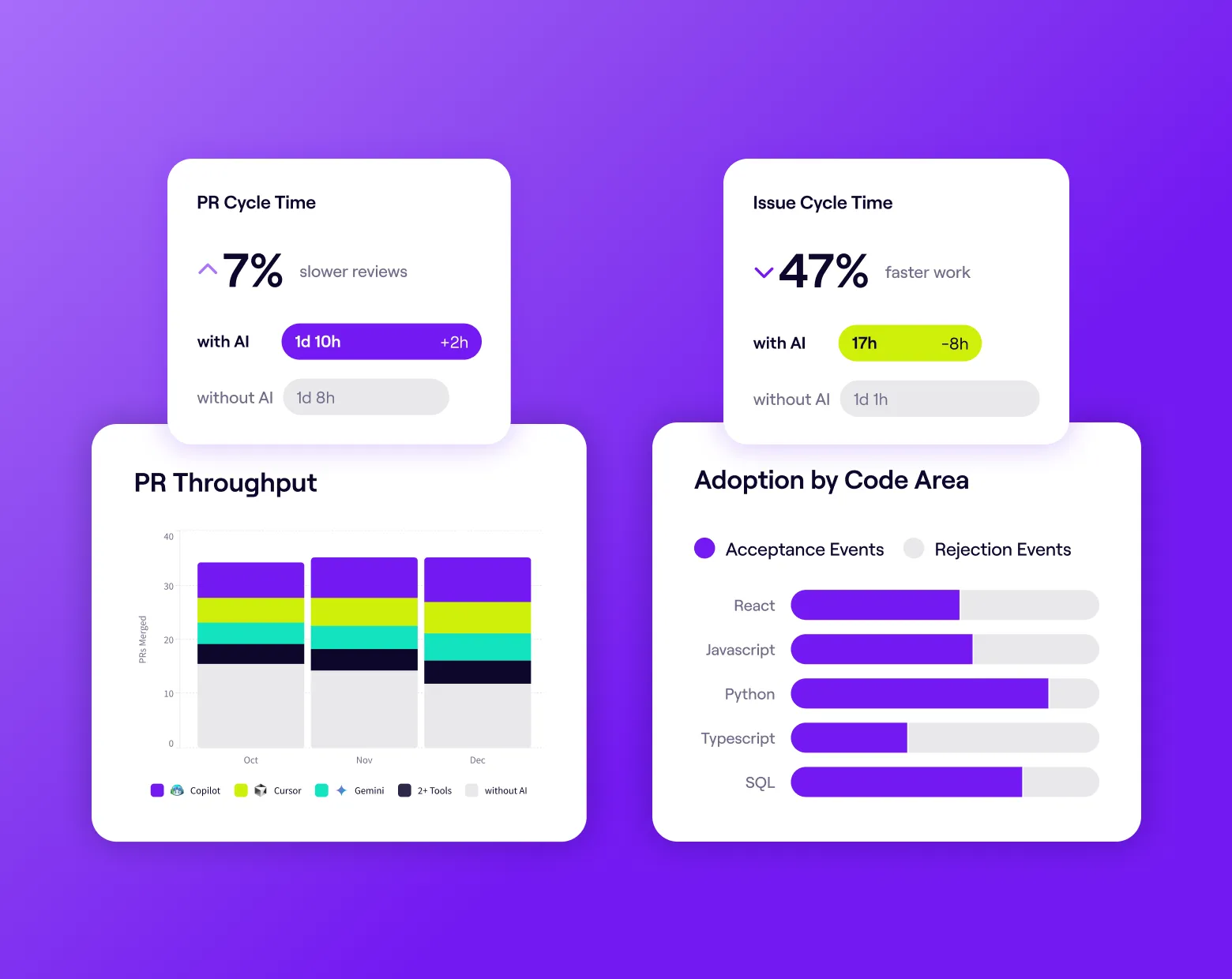
Move beyond seat counts to real productivity metrics. Jellyfish ingests signals from AI coding assistants and code review agents to measure Issue and PR Cycle Time lift.
Compare Power Users to Idle Users and benchmark against 20M+ PRs to prove your AI investment is working.
Increase Delivery Predictability
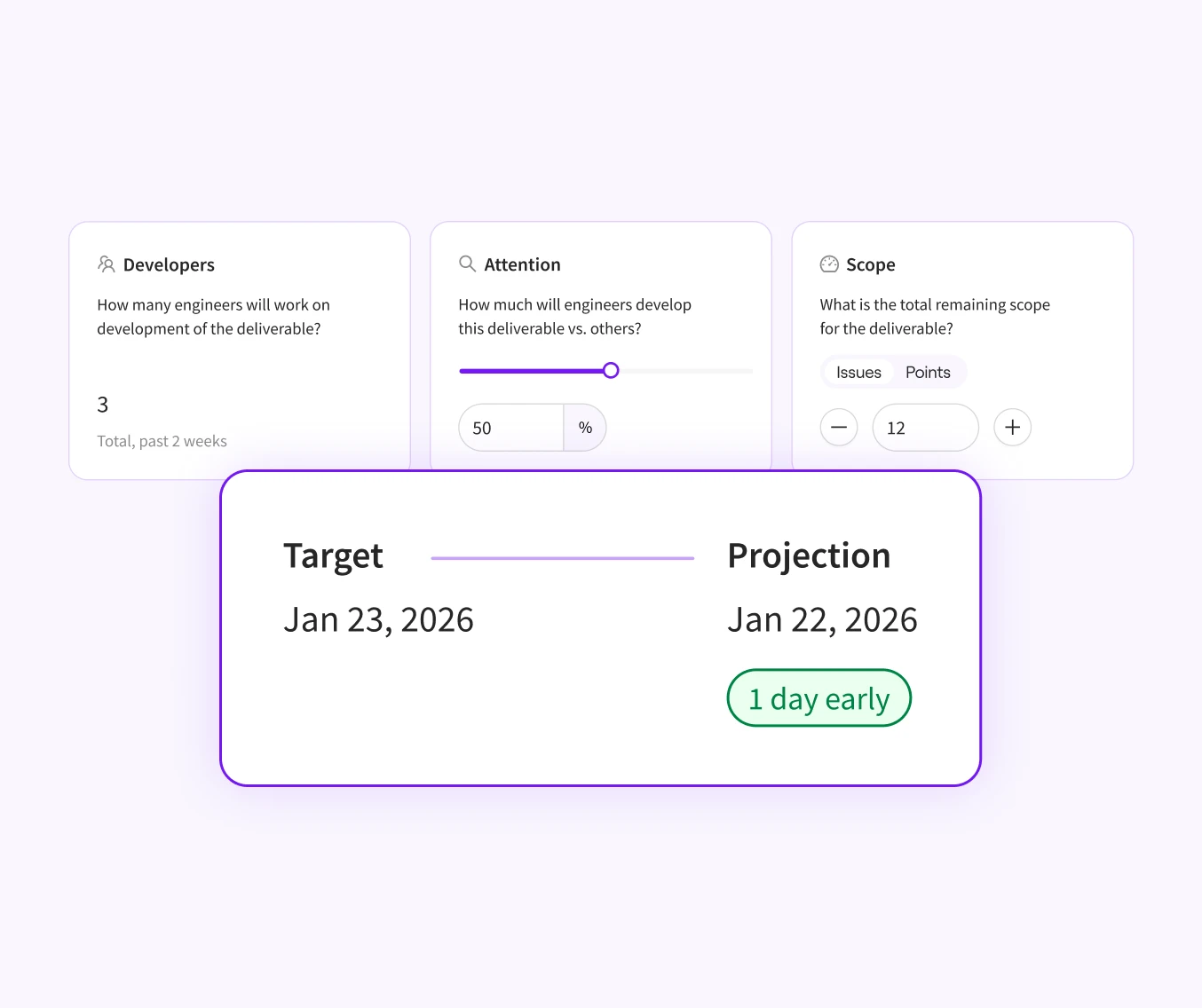
Stop guessing at ‘done.’ Jellyfish uses historical SCM and issue tracking signals to project completion dates.
Model scenarios to see how headcount or scope changes impact delivery in real time, and make trade-offs before you miss a deadline.
Connect Sentiment to Quantitative Signals
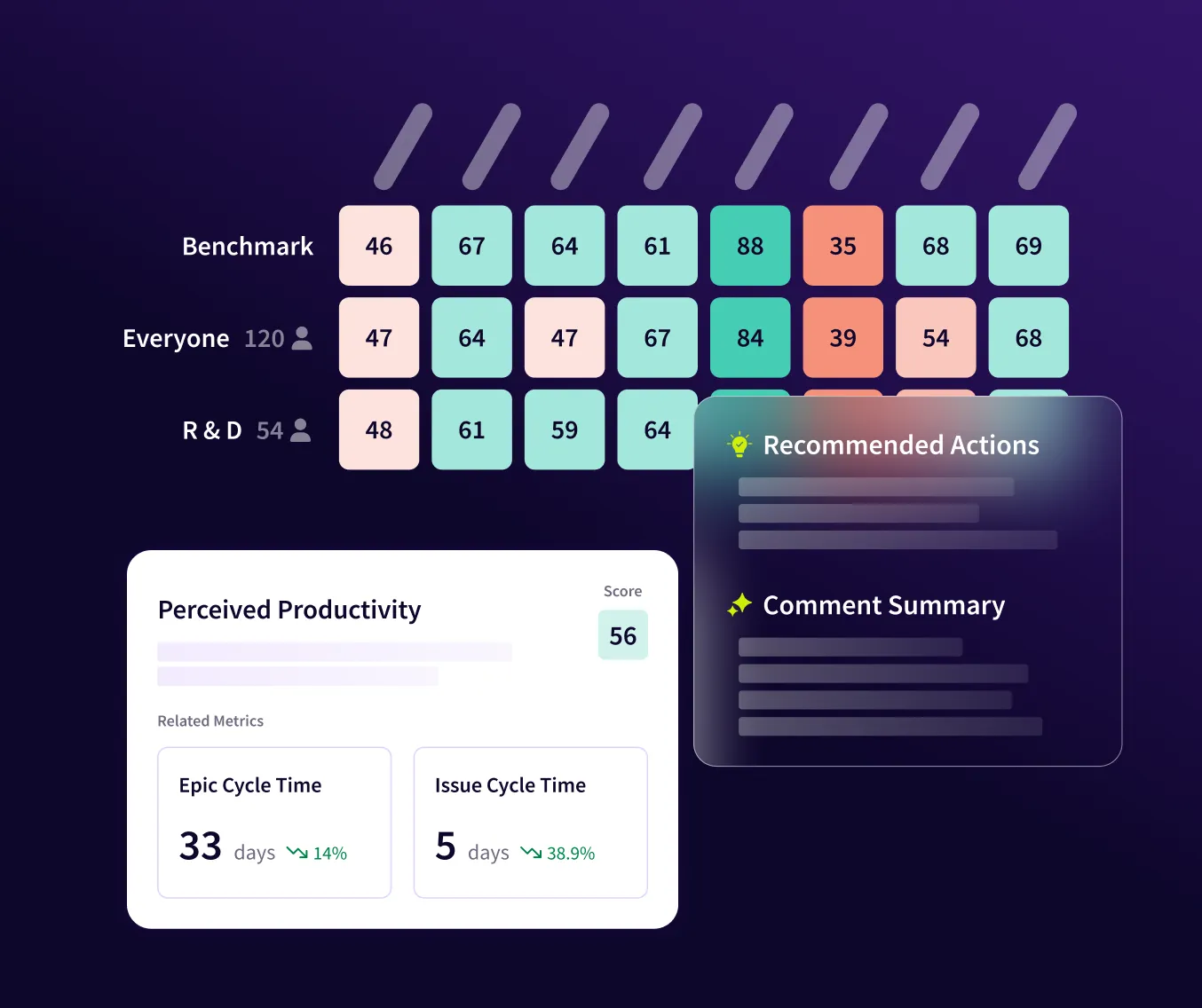
Capture the ‘why’ behind your metrics with research-backed DevEx surveys.
Jellyfish correlates qualitative feedback — like tool satisfaction or nitpicking in reviews — with quantitative data like PR cycle time, then surfaces Recommended Actions to improve engineering health.
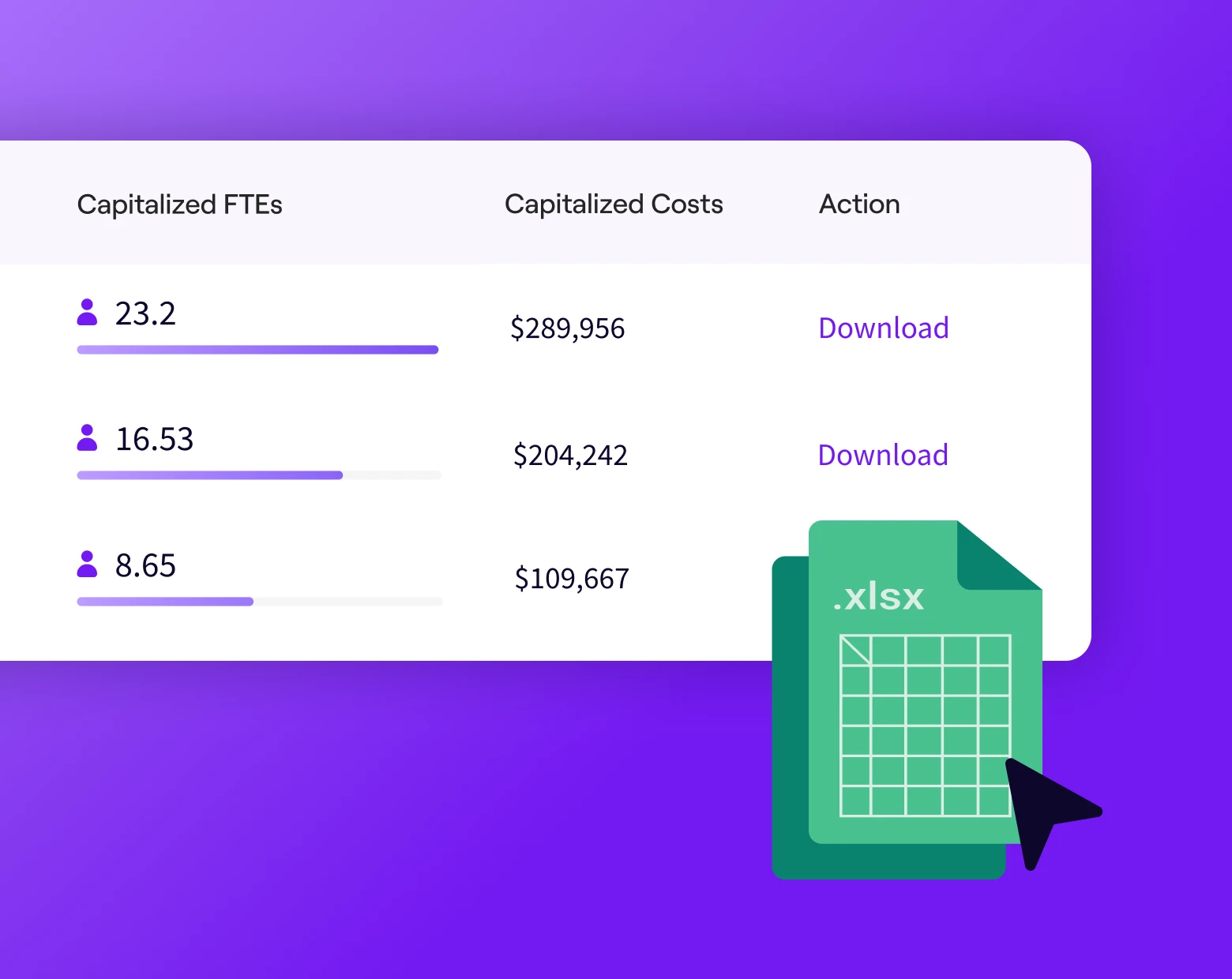
Automate Audit-Ready R&D Reporting
Eliminate manual developer time-tracking. Jellyfish categorizes work from Jira and Git signals to automatically generate audit-ready capitalization reports that maximize R&D tax credits and EBITDA.
Jellyfish is SOC-1 Type II compliant with a 100% audit pass rate — LinearB’s basic capitalization lacks SOC-1 compliance and requires manual setup.
Myth vs. Reality

4.5/5 on G2

4.8/5 on Gartner